Grounding Exercises to Ease the Mind
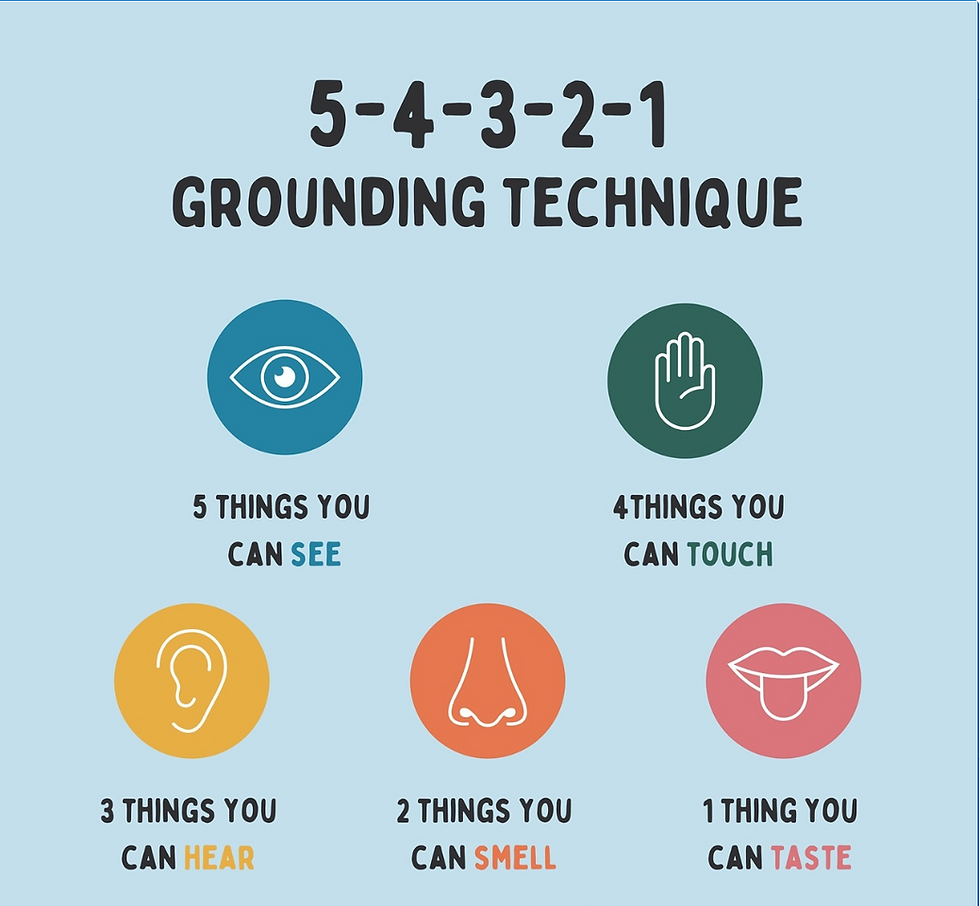
When your body feels out of control, your mind often follows. Moments of anxiety, panic, or overwhelming stress can make it hard to stay present. Grounding exercises help bring your attention back to the here and now, calming your nervous system and restoring a sense of control. This guide explores simple, practical grounding techniques using your senses, physical touch, and mental focus to help you regain balance quickly.
Using Your Five Senses to Ground Yourself
One of the most effective ways to reconnect with the present moment is by engaging your five senses. This method, often called 5-senses grounding, helps interrupt racing thoughts and brings your awareness back to your body and surroundings.
Try this exercise:
Sight: Look around and name five things you can see. Focus on details like colors, shapes, or textures.
Touch: Notice four things you can physically feel. It might be the chair under you, the fabric of your clothes, or the surface of a table.
Hearing: Listen for three sounds. These could be distant traffic, birds chirping, or the hum of a fan.
Smell: Identify two smells. If you can’t detect any, try to recall your favorite scents.
Taste: Focus on one taste. Maybe you have a sip of water or simply notice the taste in your mouth.
This exercise takes only a minute or two but can quickly shift your focus away from distressing thoughts. It grounds you by anchoring your mind in the physical world.
Physical Grounding Through Touch
Sometimes, your body needs a direct physical reminder that you are safe and present. Holding or touching objects with distinct textures or temperatures can provide that reminder.
Here are some physical grounding ideas:
Hold a cold object: A smooth stone, an ice cube, or a cold metal spoon can snap your attention back to your body. The cold sensation is sharp and immediate.
Press your feet firmly on the ground: Feel the connection between your feet and the floor. Notice the pressure and weight.
Clench and release your fists: Tighten your fists for a few seconds, then slowly release. This can relieve tension and bring awareness to your hands.
Touch a textured item: A piece of fabric, a stress ball, or a rough surface can help focus your senses.
These actions create a physical anchor, helping your brain shift from emotional overwhelm to bodily awareness.
Mental Grounding by Counting Patterns
Mental grounding uses your brain’s focus to interrupt distressing thoughts. Counting patterns or doing simple mental tasks can help redirect your mind.
Try these mental grounding techniques:
Count backward from 100 by sevens: This requires concentration and slows down racing thoughts.
Name all the colors you see in the room: This combines mental focus with sensory awareness.
Recite a poem or song lyrics: Choose something familiar to calm your mind.
Visualize a safe place: Picture a location where you feel calm and secure, and describe it mentally in detail.
These exercises engage your cognitive functions, giving your mind a task that pulls it away from anxiety or panic.
When to Use Grounding Exercises
Grounding exercises work best when you feel overwhelmed, anxious, or disconnected from your body. They are useful during panic attacks, moments of stress, or when intrusive thoughts take over. You can practice them anywhere—at home, work, or even in public.
Try to incorporate grounding into your daily routine as a preventive measure. Regular practice can make it easier to use these techniques when you really need them.
Tips for Success with Grounding
Be patient: Grounding takes practice. The first few times might feel awkward, but it becomes easier.
Customize your tools: Find objects or sensory experiences that work best for you.
Combine methods: Use sensory, physical, and mental grounding together for stronger effects.
Practice regularly: The more you practice, the faster you can calm yourself in stressful moments.


Comments